




Boiler
Dongturbo Electric Company Ltd. (hereinafter call "DTEC") is a professional steam turbine solution provider with ISO and CE certificate, mainly engaged in manufacturing Steam Turbines, Generators, and provide power plant EPC, EPCC and BOT solutions, also supply the equipment Spare Parts, O&M and Retrofitting Service etc.. DTEC is a manufacturing enterprise integrating steam turbine design, manufacturing, installation and service for Power Generation and Industrial Driven Purpose (Pump, Fan etc.) application in the worldwide.
The main products include all types of steam turbines, including condensing steam turbines, back pressure steam turbines, extraction steam turbines, etc. We focus on the development and promotion of single-layer quick-installation and three-station one-stop steam turbines, with high-speed, high-efficiency and energy-saving features, as well as various generators and electrical control equipment matching the steam turbines.
DTEC also can provide customers with one-stop solution for power plant project design, construction, procurement, installation, and commissioning, realizing a true turnkey project, shortening the engineering cycle for customers, and greatly reducing project costs.




Why choose us?
Quality assurance
ISO 9001 certified, Third party inspection available.
Good service
Quick response to customer requirement,Assign special personnel to dock customers.
Reaso nable price
Provide suitable solution according to customer's requirement to save cost.
Fast delivery
Focused on power industry, make reasonable stock ensureour fast delivery.
What is Boiler
A boiler is a steel pressure vessel in which water under pressure is converted into steam by the application of combustion. In other words, it is simply a heat exchanger which uses radiant heat and hot flue gases, liberated from burning fuel, to generate steam and hot water for heating and processing loads.
Advantages of Boiler
Enhanced energy efficiency
One of the paramount advantages of boilers is their exceptional energy efficiency. These marvels of engineering are designed to convert water into steam in the most effective manner possible, ensuring that minimal energy is wasted in the process. The significance of this cannot be overstated in an era where energy costs are perpetually rising and environmental consciousness is at the forefront of industrial operations.
Reliability and durability
When it comes to industrial operations, reliability is non-negotiable. The durability and dependability of boilers are what make them indispensable in the manufacturing landscape. Constructed to withstand the rigors of continuous operation, these boilers are engineered with longevity in mind, using materials and designs that can endure the demands of high pressure and temperature.
Versatility in application
The boiler is not just a workhorse; it is a chameleon, adapting to the diverse needs of various manufacturing processes. Its versatility lies in its ability to generate steam at different pressures and temperatures, making it suitable for a wide array of applications. From powering heavy machinery to providing precise temperature controls for delicate manufacturing processes, the boiler proves its indispensability at every turn.
Improved environmental performance
In an era where environmental sustainability is not just a choice but a necessity, boilers have evolved to meet the challenge. Modern boilers are designed to minimize emissions, ensuring that industrial operations can comply with stringent environmental regulations. This is achieved through innovations in boiler design and the integration of emission reduction technologies like low NOx burners and flue gas recirculation.
Cost savings and economic benefits
The culmination of efficiency, reliability, versatility, and environmental performance of boilers translates into significant cost savings and economic benefits for manufacturers. The initial investment in a high-quality boiler quickly pays for itself through reduced energy bills, lower maintenance costs, and minimized downtime.
Types of Boiler
Firetube boiler
In firetube boilers, the combustion gases pass inside boiler tubes, and heat is transferred to water between the tubes and the outer shell. Today, larger firetube boilers are over 1,500 boiler horsepower (about 50,000 pounds per hour. Firetube boilers are often characterized by their number of passes, referring to the number of times the combustion (or flue) gases flow the length of the pressure vessel as they transfer heat to the water. The turnaround zones can be either dryback or waterback. In dryback designs, the turnaround area is refractory-lined. In waterback designs, this turnaround zone is water-cooled, eliminating the need for the refractory lining.
Watertube boiler
In watertube boilers, boiler water passes through the tubes while the exhaust gases remain in the shell side, passing over the tube surfaces. Because tubes can typically withstand higher internal pressure than the large chamber shell in a firetube, watertube boilers are used where high steam pressures (3,000 psi, sometimes higher) are required. Watertube boilers are also capable of high efficiencies and can generate saturated or superheated steam. In fact, the ability of watertube boilers to generate superheated steam makes these boilers particularly attractive in applications that require dry, high-pressure, high energy steam, including steam turbine power generation. The performance characteristics of watertube boilers make them highly favorable in process industries, including chemical manufacturing, pulp and paper manufacturing, and refining. Although firetube boilers account for the majority of boiler sales in terms of units, watertube boilers account for the majority of boiler capacity.
Waste heat recovery boiler (WHRB)
These boilers may be either firetube or watertube design and use heat that would otherwise be discarded to generate steam. Typical sources of heat for WHRBs include exhaust gases or high-temperature products from an external manufacturing process in refineries and chemical manufacturing facilities, or combustion of a waste fuel in the boiler furnace.
Heat recovery steam generators (HRSGs)
HRSGs transfer energy from the exhaust of a gas turbine to an unfired or supplementary fired heat-recovery steam generator to produce steam. Exhaust gases leave the gas turbine at temperatures of 1,000°F (538°C) or higher and can represent more than 75% of the total fuel energy input. This energy can be recovered by passing the gases through a heat exchanger (steam generator) to produce hot water or steam for process needs.
Application of Boiler
Electrical generation
Boilers can efficiently convert thermal energy into electrical energy. First, the boiler uses the thermal energy from the combustion chamber to evaporate water into steam. Next, it builds pressure and turns turbine blades, causing the shaft to rotate, generating mechanical energy. Finally, the rotating shaft connects to an electric generator which converts the mechanical energy into electricity. This can be done at an individual scale to offset the energy costs of an industrial or manufacturing facility or at a large scale.
Food and beverage
Food and beverage facilities are a prevalent industry that boilers. Because of the potential for cross-contamination and food-borne illness, a boiler must be able to generate high-temperature water and steam for sanitation in restaurants and food production facilities. Tools, surfaces, and even produce are either steam cleaned or wiped down with hot water to sanitize and eliminate bacteria and food-borne pathogens.
Agriculture
One of the unique applications for boilers is in the agricultural industry. Like the food and beverage industry, steam and hot water can sanitize the tools that harvest produce and tend to crops. Additionally, an application unique to agriculture is soil steaming.
Pharmaceuticals
While it may not immediately come to mind when discussing boiler systems, steam is critical to pharmaceutical manufacturing. Steam is used for drying, disinfecting, rough cleaning, tableting, and other manufacturing steps. With pharmaceutical manufacturing, boilers must be capable of precise temperature control to purify medicines. Additionally, clean or pure steam is required to ensure that the disinfection process is free of any potential contaminants that can affect the final product. Clean steam comes from uncontaminated water that is free of any additives.
Textile manufacturing
Steam is essential throughout the textile manufacturing process. The first is pre-treatment, where hot steam is used on raw materials or fabrics to remove dirt and other impurities that would otherwise impact the quality of the textile. During the dyeing stage, precisely controlled steam provides the correct amount of heat and moisture necessary for each unique fabric to accept the dye optimally. Steam removes wrinkles in the fabric during the finishing step to prepare it for presentation. Large-scale steaming is a much more efficient method of wrinkle removal than the use of a traditional iron or heat alone.
Chemical processing
Steam heats and cools reactors for chemical processing to specific temperatures for catalyzing reactions. Depending on the type of reaction, volumes of steam output may fluctuate widely day to day or even hour to hour. Therefore, boilers used in this industry must operate in this cyclical manner efficiently without wasting steam or fuel.
Components of Boiler

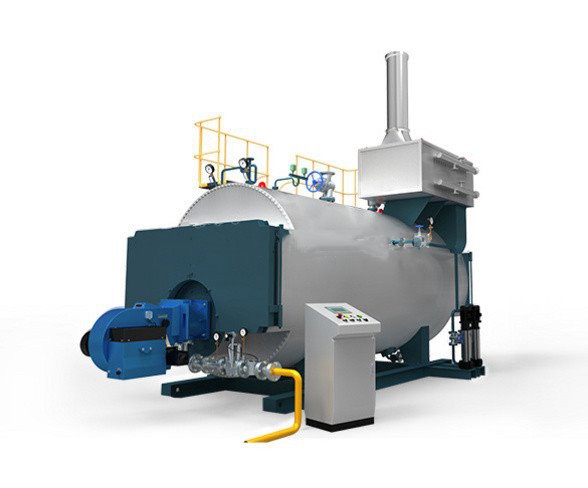

The combustion chamber
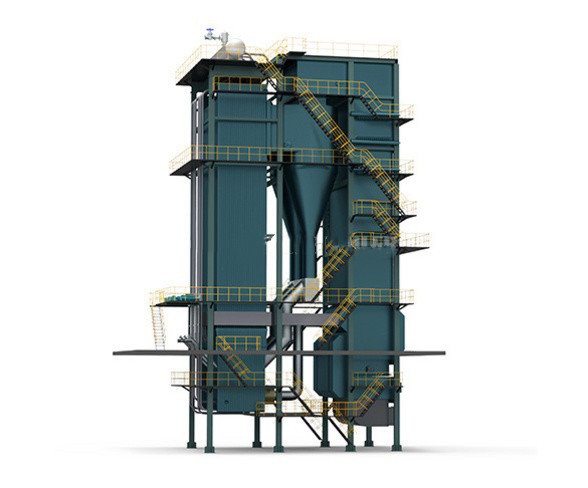
The combustion chamber is where the fuel source undergoes combustion, producing heat. Different fuels, such as kerosene, heating oil, and liquid propane, can be used. This process is essential in heating up the heat exchanger to several hundred degrees.
The burner
Mixing of air and the fuel source occurs at the burner, initiating the combustion reaction in the system. The thermostat sends an electronic signal to the burner, which plays a crucial role in determining the overall efficiency of the boiler.
The heat exchanger
The heart of the boiler, the heat exchanger, is responsible for transferring heat from the combustion chamber to the circulating water. It maintains high temperatures without permitting the fluid to boil, rendering it a safe and efficient energy source.
Safety valve
The safety valve offers critical protection by releasing excess pressure that may build up within the boiler. If left unchecked, such pressure could lead to disastrous consequences like explosions.
Pressure gauge
Monitoring the boiler's internal pressure is paramount. The pressure gauge enables the operator to maintain the pressure within safe operating limits and ensures the overall efficiency of the system.
Feed pump
The feed pump is essential in supplying the boiler with the required water. It pumps water into the boiler at a constant pressure, ensuring proper circulation and heat transfer.
Economiser
The economiser recovers residual heat from flue gases before they leave the boiler. This heat is reused, increasing the overall efficiency and reducing energy consumption.
Superheater
Installing a superheater elevates the steam temperature above its saturation point, enhancing the system's overall energy output. The final product, superheated steam, possesses higher thermal energy which can be advantageous in particular applications.
Circulator pump
A circulator pump moves hot water from the boiler to the radiators, providing even heat distribution throughout the system. This crucial component maintains optimal water flow and temperature.
Expansion tank
Boilers produce expanding hot water, which the expansion tank accommodates. By allowing space for the heated water to expand and control the pressure within the system, the expansion tank ensures the boiler's safe operation.
Control system
The control system is a centralised hub that manages various aspects of the boiler's operation. It monitors temperature, pressure, and water levels, as well as determining when the burner and pumps should operate to maintain optimal efficiency.
Backflow valve
A backflow valve prevents the reverse flow of water, ensuring it moves only in one direction. This one-way valve thus protects the boiler, providing an additional layer of safety.
Aquastats
Aquastats are vital for monitoring water temperature in the system. They help control the boiler's operation by activating the burner or circulating pump as required to maintain consistent water temperatures within the system.
How to Maintain Boiler
Check for leaks
Make checks a regular part of your routine so that you notice issues as soon as they happen. You don’t want to discover a boiler leak only after your basement floods. A leaky boiler can be a sign that yours is reaching the end of its lifespan. Make sure all valves are tight and connections secure.
Bleed radiators
Air in your hot water system reduces the heat you get from your radiators. It forces your boiler to work harder and consume more fuel. At the beginning of every heating season, walk through your home and open the air bleed valve on each radiator to let the air out. Don’t forget to use a bucket to catch the water that comes out once the air escapes.
The company is a 'Member of China Interior Decoration Association', 'National Excellent Enterprise in Air Interior Decoration', and was rated as 'Top Ten Brands of Electric Curtains', with 7 product patents, and it is well-known in the industry.
Check and clear flue vent openings
Flue vents are vital for removing the byproducts of combustion. Blockages can cause dangerous carbon monoxide to enter your home, putting your family at risk. A clear vent also ensures that your boiler is working at maximum efficiency.
Clear space around your boiler
Boilers need air for the combustion process. If there isn’t enough, incomplete combustion will occur, creating increased levels of carbon monoxide. Keep your boiler room clear, paying close attention to the area around the boiler itself. Follow the manufacturer’s instructions for clearances.
Check color of your boiler’s flame
Your boiler’s flame should be a clean blue color. If it’s yellow or smoky, your burner system is malfunctioning and needs immediate attention. Delaying this repair can result in a fire or carbon monoxide poisoning.
Check the water level in your boiler
Your home boiler system needs a sufficient amount of water to reach all the radiators in your home. Fill your boiler at the start of the season and check it periodically. If you need help locating your fill valve, we’re happy to help. When water levels drop too low, your boiler can become damaged, which in turn can cause a fire and put you and your family at risk. Because of this safety issue, maintaining proper water levels is a critical maintenance item.
Have your boiler flushed or descaled
Scale buildup will compromise your boiler’s heating performance. Keep your boiler working at maximum efficiency by keeping it clean. Follow the manufacturer’s instructions on how to flush your boiler annually.
Check boiler pressure
Your boiler pressure gauge should give a reading that’s within the manufacturer’s range. If it drops too low, your boiler may not be able to function. If it is too high, your distribution system can become damaged. If you are unsure how to modify your boiler temperature, our technicians can help.
Get an annual boiler check up
Having an annual cleaning and inspection from a licensed professional is the best way to keep your boiler in tip-top shape.
Our Factory
The main parts and key components of the products have all realized CNC machining, including Japanese Mitsubishi five-axis gantry machining center, Italian tower base horizontal rotor groove milling machine, 10-meter CNC heavy-duty horizontal lathe, 8-meter CNC vertical lathe, etc., with high precision, strong reliability and advanced processing technology And other characteristics, to achieve the standardization and modularization of product components, and improve the versatility and interchangeability of product components.
