



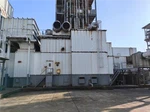

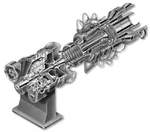
Steam Turbine
Dongturbo Electric Company Ltd. (hereinafter call "DTEC") is a professional steam turbine solution provider with ISO and CE certificate, mainly engaged in manufacturing Steam Turbines, Generators, and provide power plant EPC, EPCC and BOT solutions, also supply the equipment Spare Parts, O&M and Retrofitting Service etc.. DTEC is a manufacturing enterprise integrating steam turbine design, manufacturing, installation and service for Power Generation and Industrial Driven Purpose (Pump, Fan etc.) application in the worldwide.
The main products include all types of steam turbines, including condensing steam turbines, back pressure steam turbines, extraction steam turbines, etc. We focus on the development and promotion of single-layer quick-installation and three-station one-stop steam turbines, with high-speed, high-efficiency and energy-saving features, as well as various generators and electrical control equipment matching the steam turbines.
DTEC also can provide customers with one-stop solution for power plant project design, construction, procurement, installation, and commissioning, realizing a true turnkey project, shortening the engineering cycle for customers, and greatly reducing project costs.


Why choose us?
Quality assurance
ISO 9001 certified, Third party inspection available.
Good service
Quick response to customer requirement,Assign special personnel to dock customers.
Reaso nable price
Provide suitable solution according to customer's requirement to save cost.
Fast delivery
Focused on power industry, make reasonable stock ensureour fast delivery.
What is Steam Turbine
A steam turbine is a machine that harnesses the thermal energy of pressurized steam to generate mechanical work on a rotating output shaft. The steam is produced by heating water using a heat source such as coal, gas, solar, or nuclear energy. As the steam flows past the spinning blades of the turbine, it cools and expands, converting its potential energy into kinetic energy in the blades. This makes steam turbines ideal for driving electrical generators, as they generate rotary motion that can be converted into electrical energy through a magnetic field. Steam turbines do not consume fuel directly, but rather rely on high-pressure steam from boilers or heat recovery steam generators (HRSGs).
Benefits of Steam Turbine
High-efficiency
One of the primary benefits of a steam turbine generator is its high efficiency. The steam turbine generator has a thermal efficiency of up to 90%, which is significantly higher than other forms of power generation. This high efficiency is achieved by the use of advanced materials and designs, as well as advanced control systems.
The high efficiency of the steam turbine generator translates into lower fuel consumption, reduced emissions, and lower operating costs.
Reliability and durability
Another benefit of the steam turbine generator is its reliability and durability. The steam turbine generator has a long lifespan, with some units lasting for up to 50 years or more.
This is due to the robust design and high-quality materials used in the construction of the generator. In addition, the steam turbine generator requires minimal maintenance, which further contributes to its reliability and durability.
Flexibility
The steam turbine generator is a highly flexible technology that can be used in a variety of applications. It can be used in large-scale power generation systems, as well as in small-scale distributed generation systems.
The steam turbine generator can be fueled by a variety of fuels, including coal, natural gas, biomass, and waste heat. This flexibility makes the steam turbine generator an ideal solution for a wide range of energy needs.
Cost-effective
The steam turbine generator is a cost-effective solution for power generation. The high efficiency and durability of the steam turbine generator result in lower operating costs over the lifetime of the unit. In addition, the steam turbine generator requires minimal maintenance, which further reduces operating costs.
The steam turbine generator is also capable of generating electricity at a low cost per kilowatt-hour, making it an attractive solution for power generation.
Environmentally friendly
The steam turbine generator is an environmentally friendly technology. The steam turbine generator produces significantly lower emissions than other forms of power generation, such as coal-fired power plants.
The steam turbine generator can also be used with renewable fuels, such as biomass, which further reduces its environmental impact. The steam turbine generator is an important technology for reducing greenhouse gas emissions and mitigating the impacts of climate change.
Types of Steam Turbine
Impulse turbine
In small-scale applications, such as power plants with capacities up to a few megawatts, the impulse turbine is a popular choice. This type of turbine operates by harnessing the power of high-velocity jets of steam, which are directed onto turbine blades. As the steam expands through a series of nozzles, it impacts the blades, causing them to rotate and generate mechanical energy.
Reaction turbine
A reaction turbine is a key component in large-scale power plants, where it efficiently harnesses the power of high steam flow rates and stream pressures. This type of turbine features both fixed and moving blades, which play a crucial role in its operation.
Condensing turbine
A condensing turbine is a type of steam turbine designed to operate under vacuum conditions. Its purpose is to maximize the pressure drop across the turbine, thereby improving efficiency. Condensing turbines are commonly used in power plants where waste heat recovery is desired.
Extraction turbine
An extraction turbine plays a crucial role in various industrial processes by extracting steam at intermediate pressures. It is specifically designed with multiple extraction points, allowing steam to be tapped at specific pressure levels for heating, feedwater heating, and other industrial applications.
Backpressure turbine
A backpressure turbine is a versatile device that serves multiple purposes in energy production and industrial applications. These turbines play a crucial role in electricity generation while also providing valuable process steam at lower pressures. This section explores the key aspects of backpressure turbines and their applications in combined heat and power systems, industrial processes, and heating applications.
Reheat turbine
In large power plants, reheat turbines are commonly used to enhance the efficiency of the steam cycle. These turbines play a crucial role in improving the overall performance of the power plant by maximizing the utilization of steam energy.
Application of Steam Turbine
The applications of steam turbines in various industries are both diverse and indispensable, showcasing their crucial role in powering numerous industries. In the realm of power generation, steam turbines stand as stalwarts, converting thermal energy into mechanical power with unparalleled efficiency. Whether in fossil fuel or nuclear power plants, these turbines are the driving force behind electricity generation, meeting the escalating global demand for energy.
Beyond the realm of power plants, the maritime industry relies heavily on the applications of steam turbines for propulsion. From naval vessels to cargo ships, steam turbines provide a reliable and efficient means of harnessing power from boiled water, enabling ships to navigate vast oceans. This marine application underscores the adaptability and robustness of steam turbines in diverse operational environments.
The applications of steam turbines in various industries include the manufacturing sector, which benefits significantly from the applications of steam turbines. Industries ranging from paper mills to chemical plants integrate steam turbines into their processes, using them to drive machinery and facilitate smooth operations. The flexibility of steam turbines allows for customization, ensuring they meet the unique requirements of various manufacturing processes, thereby enhancing overall productivity.
Innovations in energy production have expanded the applications of steam turbines in various industries to unconventional realms. Geothermal power plants harness the Earth’s natural heat, utilizing steam turbines to convert thermal energy into electricity. This sustainable approach exemplifies the versatility of steam turbines in contributing to environmentally friendly and renewable energy solutions. Moreover, district heating systems in urban areas leverage steam turbines to distribute heat efficiently, further diversifying their applications and impact.
Components of Steam Turbine
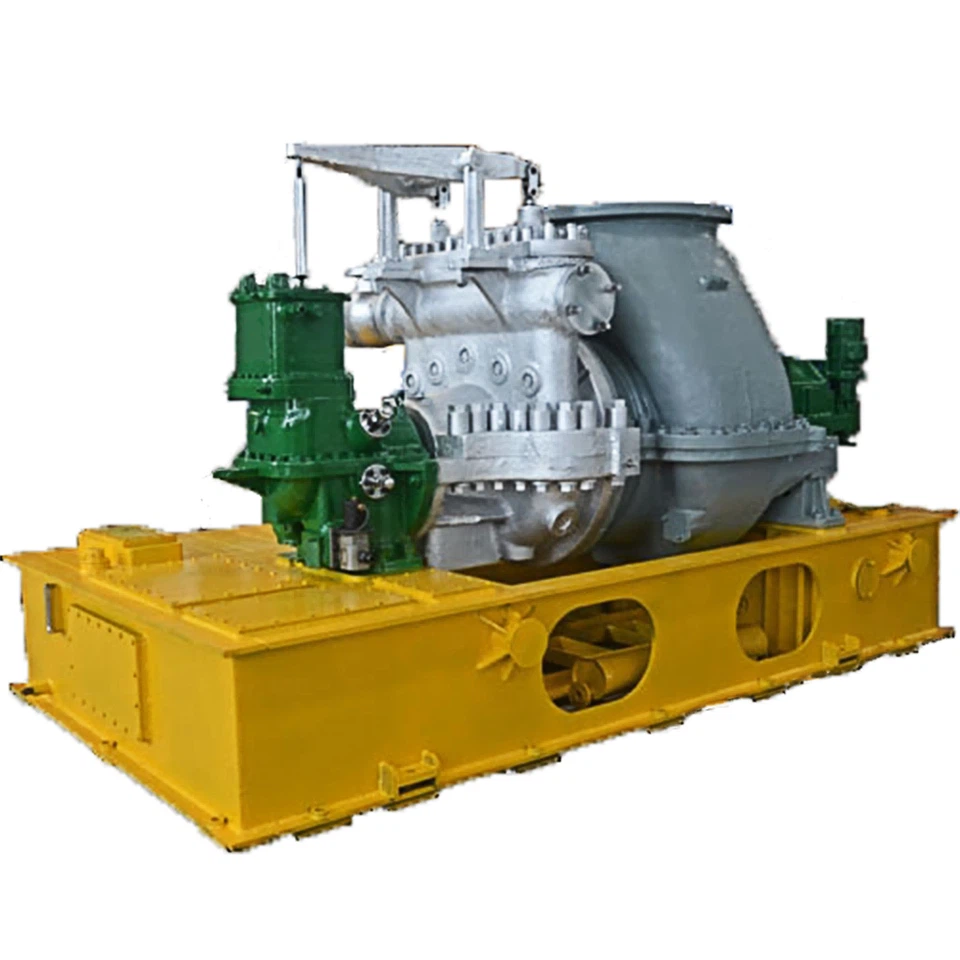


Steam chest and the casing
Connected to higher pressure steam supply line and the low pressure steam exhaust line respectively. The steam chest connected to casing, houses the governor valve and the over speed trip valve. The casing contains the rotor and nozzles through which the steam is expanded and directed against the rotating buckets.
Rotor
Consists of shaft and disk assemblies with buckets. The shaft extends beyond the casing through the bearing cases. One end of the shaft is used for coupling to the driven pump. The other end of the shaft serves the speed governor and the over speed trip system.
The bearing cases
Supports the rotor and assemble casing and steam chest. The bearing cases contain the journal bearings and the rotating oil seals, which prevent outward oil leakage and the entrance of water, dust, and steam.
Casing sealing glands
Seal the casing and the shaft. Spring backed segmental carbon rings used for this and supplemented by a spring backed labyrinth section for higher exhaust-steam.
Governor system
Governor systems are speed-sensitive control systems that are integral with the steam turbine. The turbine speed is controlled by varying the steam flow through the turbine by positioning the governor valve. Consists of spring-opposed rotating weights, a steam valve, and an interconnecting linkage or servo motor system. The governor sense turbine shaft speed through direct connection, worm/worm wheel, or magnetic impulse from a gear.
Over speed trip system
The trip mechanism acts independently of the governor controlled system and closes the trip valve to stop the flow of steam to the turbine in the event of over speed condition. Consists of a spring-loaded pin or weight mounted in the turbine shaft on a collar, a quick-closing valve which is separate from the governor valve and interconnecting linkage. The centrifugal force created by rotation of the pin in the turbine shaft exceeds the spring loading at a preset speed.
Labyrinth seal
Labyrinth is a means of reducing leakage from high pressure side to low pressure side by allowing a small amount of leakage. The clearance between labyrinth and shaft is kept at the minimum possible. Gases enter the narrow passage between shaft and labyrinth expand because of space available in the first space resulted to less pressure p1 from p.
Carbon ring seals
Consists of carbon ring segments and these segments held together by retaining spring. Anti rotation stops fit in the notches in the bottom half interstage diagrams (casing) and carbon rings prevents the rotation.
Nozzle ring and reversing blade assembly
The nozzle ring is bolted to the inside bottom half of the steam end casing. The nozzles located in the nozzle ring, direct the steam flow from the steam chest to the Curtis stage first row blades. The reversing blade assembly is located between the blade rows of the Curtis stage (the Curtis stage has two rows of blades) and is bolted to the nozzle ring.
Diaphragms
Stationary diaphragms separate the inner stages, contain the interstage nozzles and interstage seals. The nozzle expand the steam and direct it against the following rows of rotating blades. The diaphragms are adjusted on assembly to allow for rotor deflection and to assure that the seals are concentric with the shaft.
Sentinel valve
This is warning device located on the top of the exhaust end turbine casing, indicates excessive turbine exhaust end casing pressure. In the event the casing pressure exceeds a predetermined setting above the normal operating pressure, the valve releases a small amount of visible steam to the atmosphere, causing an audible sound. This valve will not serve as a relief valve.
Auxiliary steam valves
Auxiliary valves are used to achieve more efficient operation with varying load or steam conditions. The valves are provided in the steam passage way (in the bottom half of the steam end turbine casing) between the steam chest and nozzle ring.
Turning Gears
Large turbines are equipped with turning gears to rotate the rotors slowly during warm up, cool off. This is to maintain the shaft or rotor at an approximately uniform temperature circumferentially, so as to maintain straightness and preserve the balance.
How to Maintain Steam Turbine
Regular inspections
Regular inspections should be conducted on steam turbines to identify potential problems before they become serious. This includes inspecting the bearings, seals, gears, and other components for wear and tear.
Lubrication
Proper lubrication is essential for ensuring the smooth operation of steam turbines. Lubrication should be carried out as per the manufacturer's recommendation, and the oil should be changed on a regular basis.
Cleaning
Steam turbines should be cleaned regularly to remove dirt, debris, and other contaminants that can cause damage to the turbine components.
Alignment
Proper alignment of the steam turbine components is crucial for smooth and efficient operation. Misaligned components can cause excessive wear and tear and lead to premature failure of the turbine.
How to Choose the Right Steam Turbine
Total electric load: The inlet pressure should be selected depending on the total electric load of the plant. If the plant’s electrical load is more then a higher-pressure boiler can be selected.
Total steam flow requirement: The steam flow rate required can help in deciding medium or high-pressure boiler. Higher the steam flow then there is a chance for higher pressure boiler depending upon the plant’s electrical load.
Process pressure requirement: Depending upon the pressure required in a process, boiler pressure and turbine capacity can be decided.
Cost of fuel: The cost of fuel is also an important factor in deciding the cost of steam and power generation.
Grid power availability: The availability of grid power can also decide whether to go for Cogeneration or Captive Power steam turbines.
Our Factory
The main parts and key components of the products have all realized CNC machining, including Japanese Mitsubishi five-axis gantry machining center, Italian tower base horizontal rotor groove milling machine, 10-meter CNC heavy-duty horizontal lathe, 8-meter CNC vertical lathe, etc., with high precision, strong reliability and advanced processing technology And other characteristics, to achieve the standardization and modularization of product components, and improve the versatility and interchangeability of product components.
