




Coal Fired Boiler
Dongturbo Electric Company Ltd. (hereinafter call "DTEC") is a professional steam turbine solution provider with ISO and CE certificate, mainly engaged in manufacturing Steam Turbines, Generators, and provide power plant EPC, EPCC and BOT solutions, also supply the equipment Spare Parts, O&M and Retrofitting Service etc.. DTEC is a manufacturing enterprise integrating steam turbine design, manufacturing, installation and service for Power Generation and Industrial Driven Purpose (Pump, Fan etc.) application in the worldwide.
The main products include all types of steam turbines, including condensing steam turbines, back pressure steam turbines, extraction steam turbines, etc. We focus on the development and promotion of single-layer quick-installation and three-station one-stop steam turbines, with high-speed, high-efficiency and energy-saving features, as well as various generators and electrical control equipment matching the steam turbines.
DTEC also can provide customers with one-stop solution for power plant project design, construction, procurement, installation, and commissioning, realizing a true turnkey project, shortening the engineering cycle for customers, and greatly reducing project costs.


Why choose us?
Quality assurance
ISO 9001 certified, Third party inspection available.
Good service
Quick response to customer requirement,Assign special personnel to dock customers.
Reaso nable price
Provide suitable solution according to customer's requirement to save cost.
Fast delivery
Focused on power industry, make reasonable stock ensureour fast delivery.
What is Coal Fired Boiler
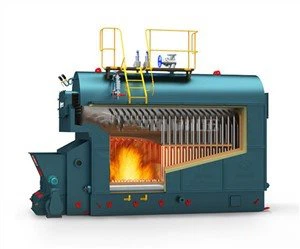
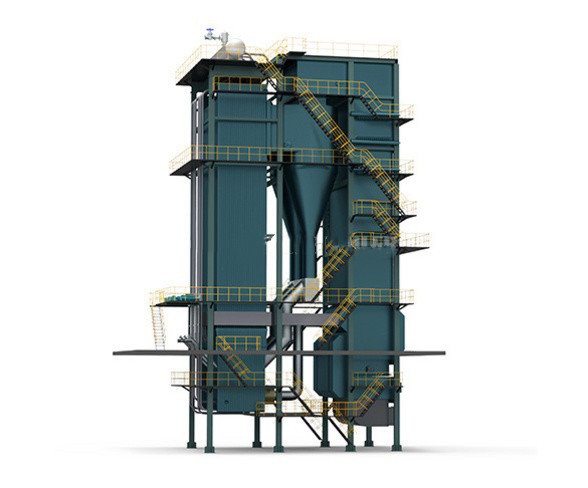
Coal fired boiler is an industrial boiler that uses coal fuel to boil and form steam commonly used in the industrial field. Depending on the needs of use, the steam source will have the appropriate temperature and pressure. Because the temperature and pressure are often very high, it is common to use specialized pipes that can withstand high heat and pressure. Coal-fired boilers are distinguished by their ability to generate safe, non-combustible sources of energy to operate equipment near fire or power sources.
Benefits of Coal Fired Boiler
- Using wasted resources is coal and firewood.
- Easy to operate, use and maintain, clean the boiler.
- Depending on the industry and scale of production, the appropriate temperature can be adjusted.
- The source of heat generated by coal fired boilers is large enough for industries.
- During the operation of the boiler, it does not make loud noises, or unpleasant noises.
- Coal-fired boilers have a variety of structures, designs and capacities to choose from.

People divide coal fired boilers into 2 different types in terms of structure and principle:
- Chain-burning coal-fired boiler.
- Static coal fired boiler.
In the combustion chamber, the burner is an important part, which is metal so that the material can be placed on it to burn and generate heat.
Chain-burning coal-fired burner: This is the most commonly used boiler of the two types above, because it has a fully automatic fuel supply and slag discharge mechanism. The boiler operation mechanism is simple and does not need to consume too much human resources. The furnace capacity belongs to small to medium welding.
The chain-burning coal-fired boiler is composed of: A combination of water pipes (6 to 60 tons per hour) and fire pipes (1 to 6 tons per hour). Includes 3 coal bran pass, large chain grate, and suitable long chain grate.
In addition, the chain-burning boiler also has equipment such as: Water injection system, dust filter, stepless automatic control by inverter, water heat recovery, …
Static coal fired boiler: Has a large capacity from 1 to 10 tons per hour, Leads to reduced working pressure and saves time.
The structure is similar to that of a static coal-fired boiler and has a larger grate.
How Does a Coal Fired Boiler Work
Coal-fired boilers have the same operating principles as other boilers, which are to heat water and provide heat for industrial production and processing. The amount of heat that a coal-fired boiler produces is from burning coal and firewood fuel, and then conduction of heat turns the heat energy into steam. Details of operation of coal fired boiler are as follows:
The fuel used to burn and the heat passing through the nozzle is put into the fire chamber to explode, heating the water pipes. Later, the water in the pipe boils up and forms steam. This steam is actually a mixture mixed with water that is brought up to the steam drum separating the steam from the water, the water that has not yet evaporated will return to the tubes to continue the circulation process.
The amount of steam separated at the time of leaving the steam drum will reach the superheater to form high temperature steam. Depending on the requirements of each user, which chooses to go into separate operation, the amount of smoke will be passed through the dust separator and discharged to the outside of the chimney. The unit uses the excess heat of the smoke as it is separated from the superheater for heat-intensive operation.
Components of Coal Fired Boiler

Burner
- One of the most important parts of a boiler is the burner. This is where the mixing of the air with the fuel source happens, resulting in the combustion which provides the necessary heat to heat up the fluid.
- The burner provides heat input by combustion of a heat source. In other words, it initiates the combustion reaction within the boiler.
- The way this particular component operates is that thermostats will send messages to the burner electronically when the system needs to produce heat. And then, fuel will pump, by a filter mechanism, to the boiler from an outside source — usually an adjacent fuel tank. A nozzle on the burner turns this fuel into a fine spray and ignites it, which creates the reaction in the combustion chamber.
Combustion chamber
As the name suggests, a combustion chamber is the part of a boiler in which the fuel/air mix burns. For this reason, the combustion chamber is usually cast iron, and the temperatures inside will rise to several hundred degrees. This process usually occurs in a very short amount of time. After the combustion, the heat generated in this chamber transfers to the boiler’s heat exchanger.
Heat exchanger
- A heat exchanger is a component of a boiler that allows heat to be exchanged between two fluids or substances, usually water and gas, without letting the substances mix together. The heat exchanger of boiler allows the heat from the burner to heat the water in system. The job of the heat exchanger is to carry the heat from the burner to the water without having direct contact with the water. It’s a similar idea to boiling water in a pot.
- The heat exchanger transfers the heat produced by the burners within the combustion chamber to the water in the boiler. Heat exchangers can be made up of a variety of elements, including bundles of steel tubes, cast iron or copper lines. The elements need to be made of very sturdy material that is able to withstand high temperatures, last a long time and transfer heat efficiently. The process begins with hot gas and cold water, but because of the heat exchanger, the process ends with cooler gas and hotter water. All this transformation happens without the two substances even having to meet.
What Should be Paid Attention to During Coal Fired Boiler Operation
Control wind and smoke
Wind and smoke at low temperature have a large density, so it can increase the load of the exhaust fan, causing overload when opening the air valve. Therefore, when the combustion chamber temperature is still low, the exhaust fan must not be operated with the air valve wide open and the operation of opening the air valve must be done slowly to ensure the safety of the fan. The amount of wind required for combustion and the smoke produced is proportional to the mass and combustion of the fuel. The rated load of the electric motors is calculated for the full-load operation of the boiler at its operating temperature of 750 to 850oC.
The fan provides air for fuel combustion. Its air valve is adjusted in accordance with the amount of fuel fed into the furnace to maintain the optimal working temperature of the combustion chamber.
The exhaust fan is adjusted only to maintain the combustion chamber pressure always between -2 and -5 mm head water.
Fuel control
The amount of fuel supplied to the furnace is controlled by adjusting the fuel feed rate to match the load capacity of the boiler and is evenly loaded throughout the combustion chamber.
When changing the amount of fuel supply over a wide range, it is necessary to appropriately adjust the exhaust fan and fan blower valves to maintain the optimal state of the combustion chamber.
Smoke temperature control
The smoke temperature indicator and control helps us to know the current temperature of the smoke stream and acts to stop the furnace when the excessive smoke temperature has been reached (in the range of 280 to 3000C) to ensure the safety of the boiler (stop all both fans and fuel feeders).
Excessive smoke temperature can be caused by water being depleted or the combustion chamber is too intense, the combustion chamber temperature is too high to be controlled. Therefore, when the smoke temperature is high, the furnace must be stopped to find out the cause and overcome before operating the furnace again.
Control the temperature of the combustion chamber
The combustion chamber temperature is indicated and controlled by the temperature controller. It indicates the current temperature of the combustion chamber, alarms with a buzzer and acts to stop the fuel feeder when the combustion chamber temperature is too high or too low. At that time, the fans are still running, the fluidized bed is still maintained so that the operator can continue to operate the boiler gradually returning to the normal operating mode.
In order for the temperature controller to correctly report the temperature of the combustion chamber and not to operate it incorrectly, it is always necessary to ensure the fluidized bed state of the combustion chamber, especially in the vicinity of the two temperature readers. At the same time, good contact at the wiring points must be ensured and the conductors from the temperature controller to the temperature readings must not be shorted when pushing and pushing those readings while operating the oven.
Steam pressure switch
The steam pressure switch stops the oven when the pressure rises above the set level and automatically restarts the oven when the furnace pressure drops to a lower set level.
Maintaining the above fluidized bed state, the two temperature readers must have a good fluidized bed to measure the true temperature of the combustion chamber. Keep the fuel burning evenly and keep the combustion chamber temperature slowly rising to the fuel supply temperature. At this stage, if the combustion chamber temperature cannot be increased or rises too slowly, reduce the wind accordingly, if the temperature rises too quickly, increase the wind accordingly. C.
Observe the temperature of the fire chamber to gradually increase the pressure of the fan, adjust the exhaust fan accordingly to have a pressure of -2 to -5mm of water column. Simultaneously with the process of gradually increasing the fuel supply speed to gradually increase the combustion chamber temperature. At this point, the fuel has reached the state of completely fluidized bed, the furnace begins to burn stably. When the combustion chamber temperature reaches 700 to 7200C, the process of controlling the air valves is finished to maintain a stable fluidized bed of the fuel. From this stage, only the fuel rate is adjusted to control the stable combustion chamber temperature in the range of 800 to 8500
When you see steam coming out through the air release valve (auxiliary steam valve), let the steam blow out all the air in the steam chamber, then close the air release valve. Observe the pressure gauge, if the furnace pressure reaches the working pressure, open the main steam valve to mix steam for production.
Daily maintenance checklist
- Open the drainage and blow out water from the pipes when the boiler is not in use.
- Keep track of boiler parameters such as fuel consumed, temperature, and pressure. This ensures the boiler system is operating as expected.
- Regularly check the pressure readings for output steam as well as the water inlet.
- Observe the furnace periodically through the sight port. Look for sooting and flame abnormalities.
- Check the various venting and drainage systems for blockages.
- Monitor the characteristics of the water used in the boiler. Take samples and check water hardness, the minerals present, etc.
Weekly maintenance checklist
- Check fuel supply and related pipes, tubes, and valves.
- Perform evaporation tests to ensure proper operation.
- Check the boiler for leaks, including water, steam, and exhaust gases.
- Check operating controls to ensure normal functioning.
- Check indicators and safety features to ensure they are working properly.
- Check for unusual noises and vibrations.
Monthly maintenance checklist
- Check boiler components for visible cracks and other damages.
- Clean the combustion chamber, chimney, and exhaust stack.
- Check the boiler’s ignition system.
- Check for hotspots on the boiler’s exterior.
Semi-annual maintenance checklist
- Check for scaling inside the boiler components.
- Assessing corrosion levels in the boiler and transport tubes.
- Checking the operational characteristics of various boiler pumps.
- Performing non-destructive testing to test boiler components materials.
- Checking the condition of wires, switches, and other electrical components.
Our Factory
The main parts and key components of the products have all realized CNC machining, including Japanese Mitsubishi five-axis gantry machining center, Italian tower base horizontal rotor groove milling machine, 10-meter CNC heavy-duty horizontal lathe, 8-meter CNC vertical lathe, etc., with high precision, strong reliability and advanced processing technology And other characteristics, to achieve the standardization and modularization of product components, and improve the versatility and interchangeability of product components.
